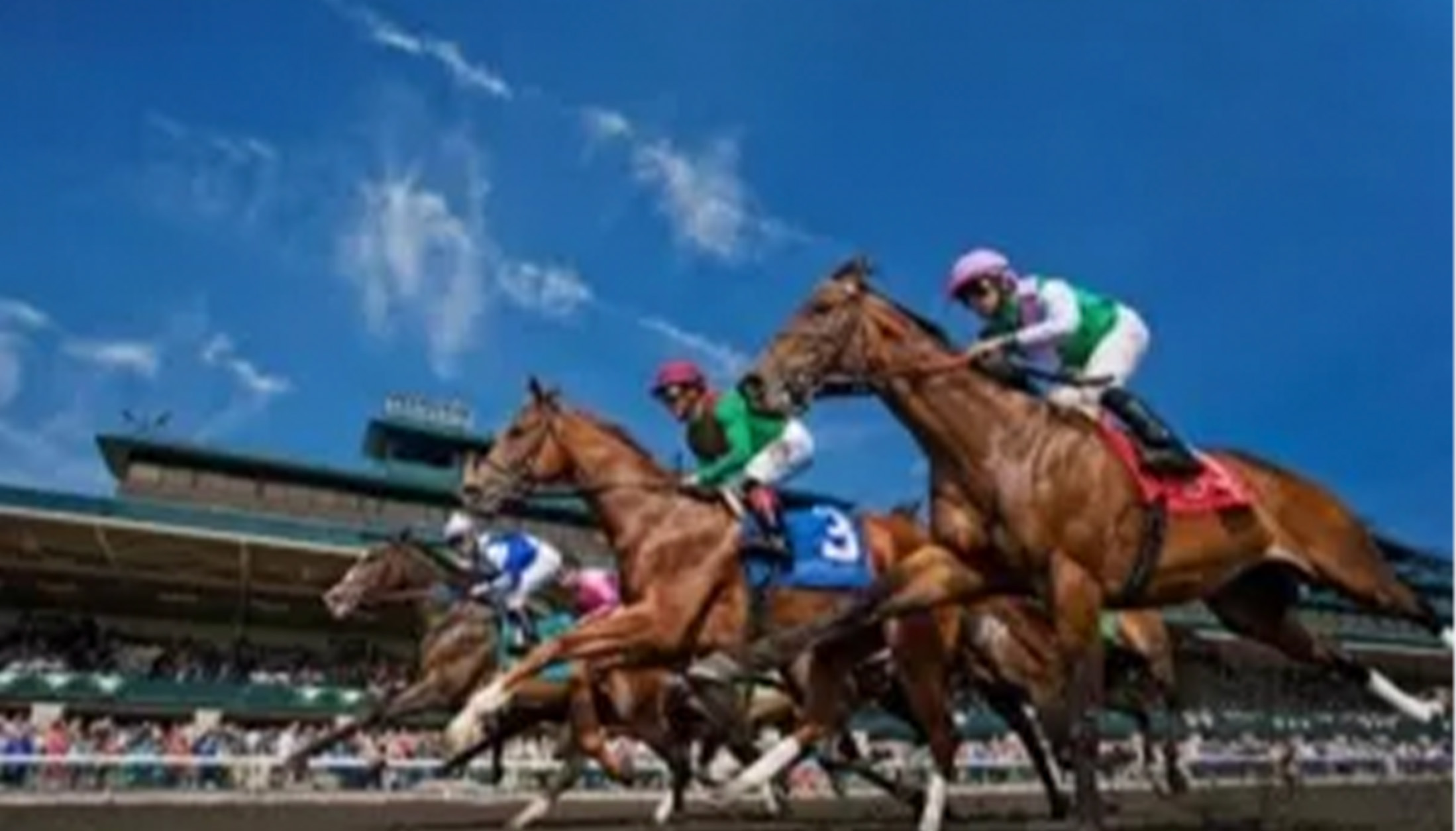
Few traditions capture the spirit of the Bluegrass State quite like the Kentucky Derby.
Sponsored Content
A Legendary Pair: Thoroughbred Horse Racing and Kentucky Bourbon

In this guest blog from Kentucky Derby Museum, we explore how racing and Bourbon came to shape Kentucky’s identity—from the track to the glass.
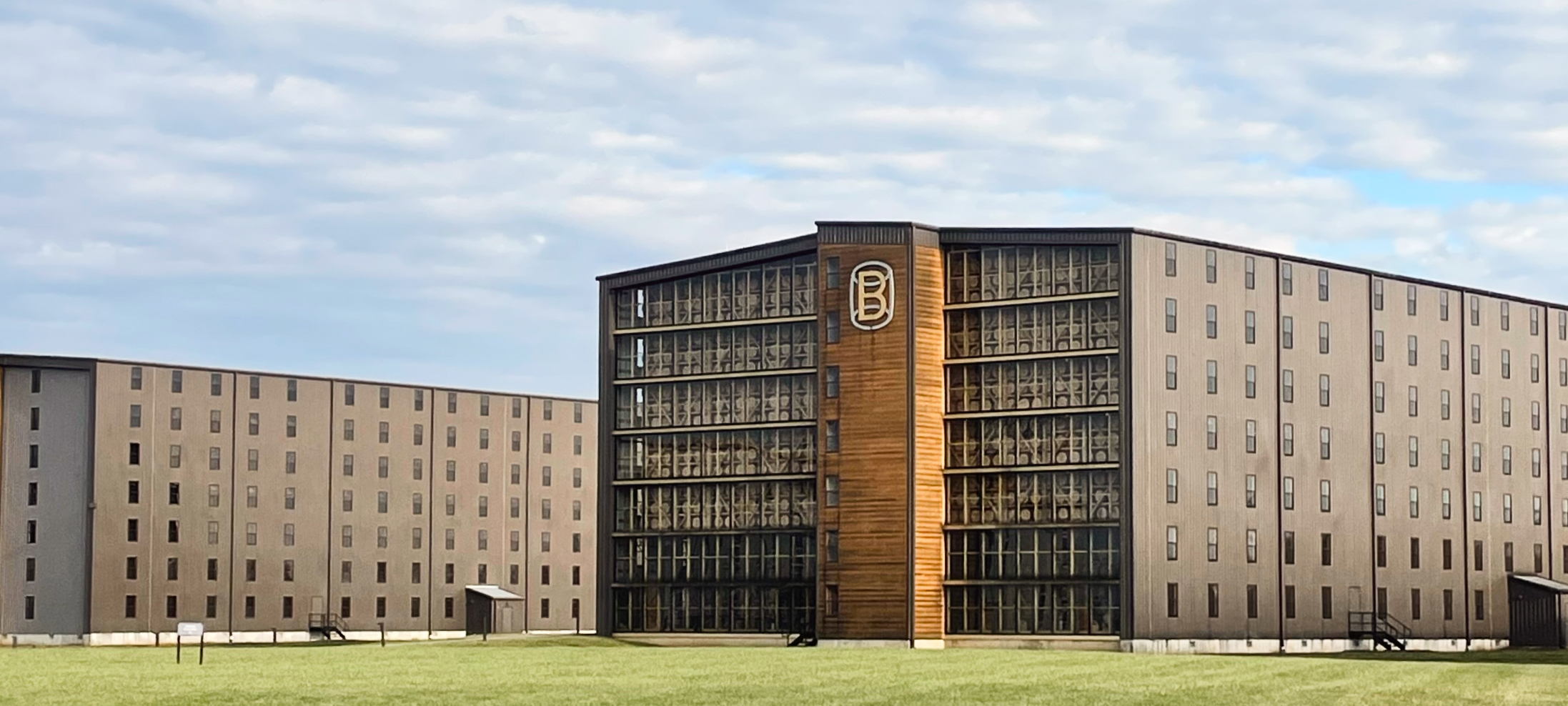
Thoroughbred Racing and Bourbon are iconic industries in the Commonwealth, and the ties between the two go back to the earliest days of each. At the turn of the 19th century, horse races were held on the streets of downtown Louisville with mixed levels of support, as business owners didn’t feel the setup was the best thing for commerce. The solution: a new track known as the Hope Distillery Course, laid out in 1827 at the former site of Louisville’s first, large-scale commercial distillery.
The ties between horse racing and Bourbon continued into the 20th century, with many Bourbons having racing-related names. Chris Morris of Woodford Reserve® has stated that the 1900s had several brands of Bourbon with horse racing monikers such as Kentucky Derby®, Kentucky Oaks, and Ten Broeck, a noted Thoroughbred and starter in the inaugural Kentucky Derby in 1875.

In addition, there are many in the equine industry that also had ties to the Bourbon industry. Hamilton Applegate is known to race fans as the owner of the 1914 Kentucky Derby winner Old Rosebud. However, his family also owned a distillery that had “Old Rosebud” as its most noted brand. Warner L. Jones Jr. descended from the Jones family of Four Roses fame. But, he is most well-known to racing fans as the proprietor of Hermitage Farm, owner of 1953 Kentucky Derby winner Dark Star, and past board chairman of Churchill Downs® from 1984-1992.
Of course, the ties between Churchill Downs, the Kentucky Derby, and Bourbon are also numerous. Wathen Knebelkamp, former president of the race track, descended from a family of distillers and horse owners. His father, William, was a distiller at Athertonville Distillery and was also a Thoroughbred owner. Wathen took the same position at Bernheim Distillery in 1934. Knebelkamp later became president of Churchill Downs in 1959, overseeing a robust program of track improvements.
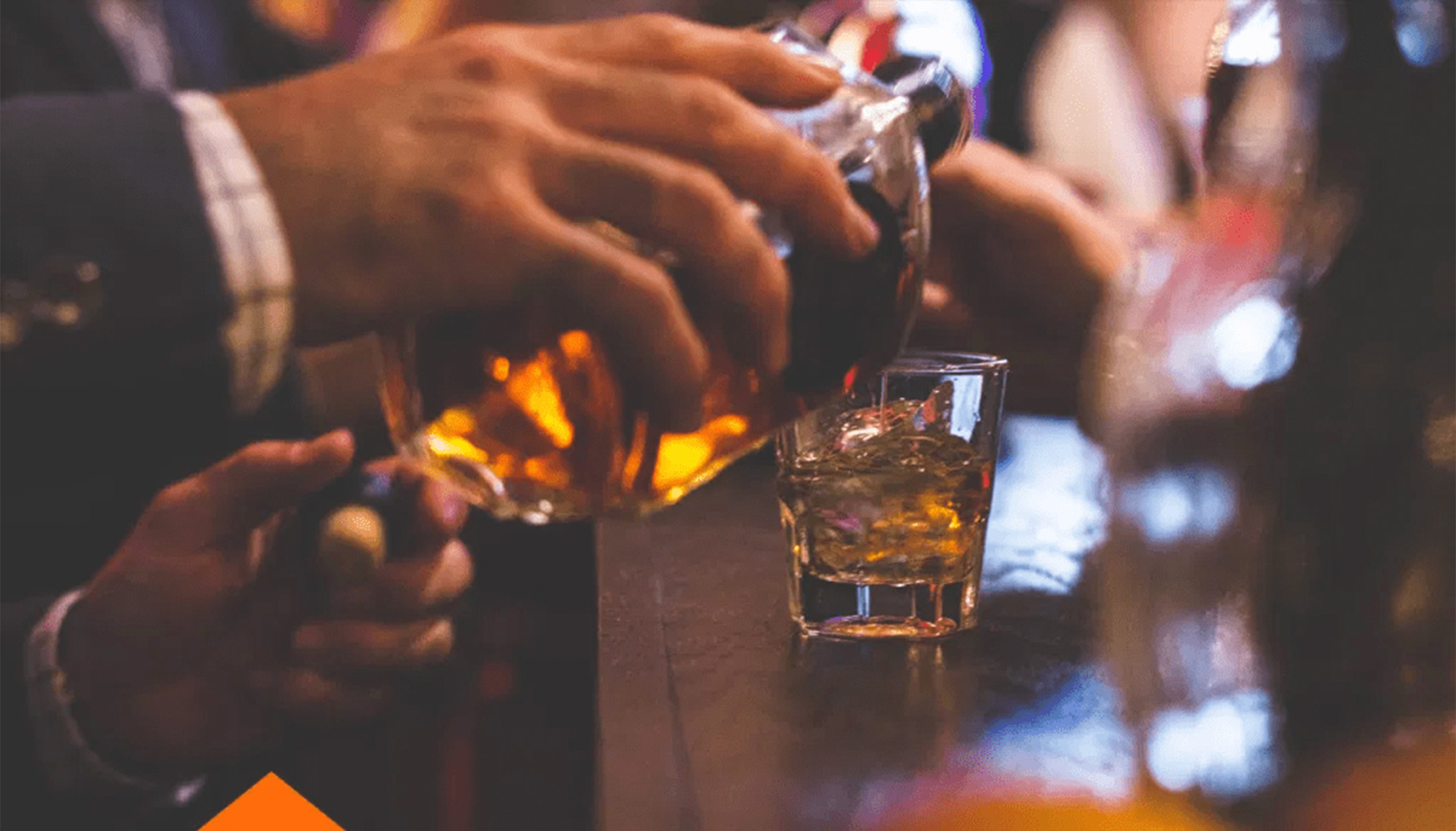
Lastly, it’s nearly impossible to talk about the Kentucky Derby and Bourbon without discussing the famed Bourbon-based cocktail, the Mint Julep. The pairing is a perfect example of how history meets folklore. There are myriad stories as to how the two became connected, with some claiming Churchill Downs founder Meriwether Lewis Clark Jr. grew mint for juleps behind the clubhouse. Whether or not tales like these can ever be substantiated, it’s difficult to comprehend the existence of the Kentucky Derby without the Mint Julep or the official Mint Julep collectible glass.

Experience the Legacy at Kentucky Derby Museum
The intertwined legacy of Thoroughbred racing and Kentucky Bourbon is alive and well at Kentucky Derby Museum. Visitors can sip and savor the Commonwealth’s finest spirits in the Derby Café & Bourbon Bar, master the art of the Mint Julep at Mint Julep University, or dive deeper into the shared history through the Bourbon & Bridles Experience. Whether you’re a racing enthusiast, a Bourbon lover, or simply curious about Kentucky’s cultural icons, the Museum offers a one-of-a-kind journey through two of the state’s most celebrated traditions—all under one roof.

Related Articles

7 Things To Know Before Planning Your Trip To Kentucky
7 Things To Know Before Planning Your Trip To Kentucky
A Bourbon Beginner’s Guide to the Kentucky Bourbon Trail®
A Bourbon Beginner’s Guide to the Kentucky Bourbon Trail®How To Derby Like A Local – Mint Julep Month
How To Derby Like A Local – Mint Julep Month